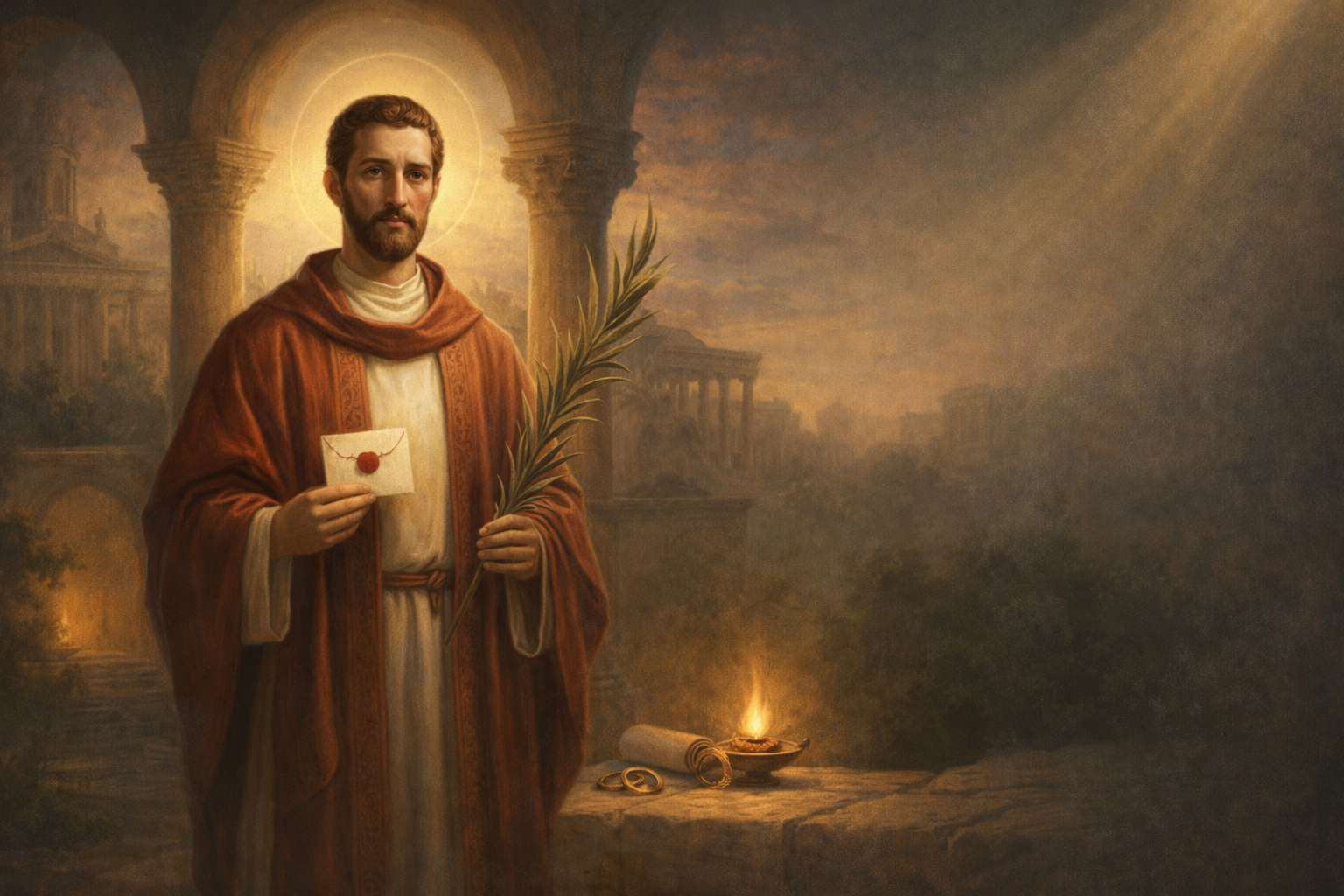
St. Alexis of Rome
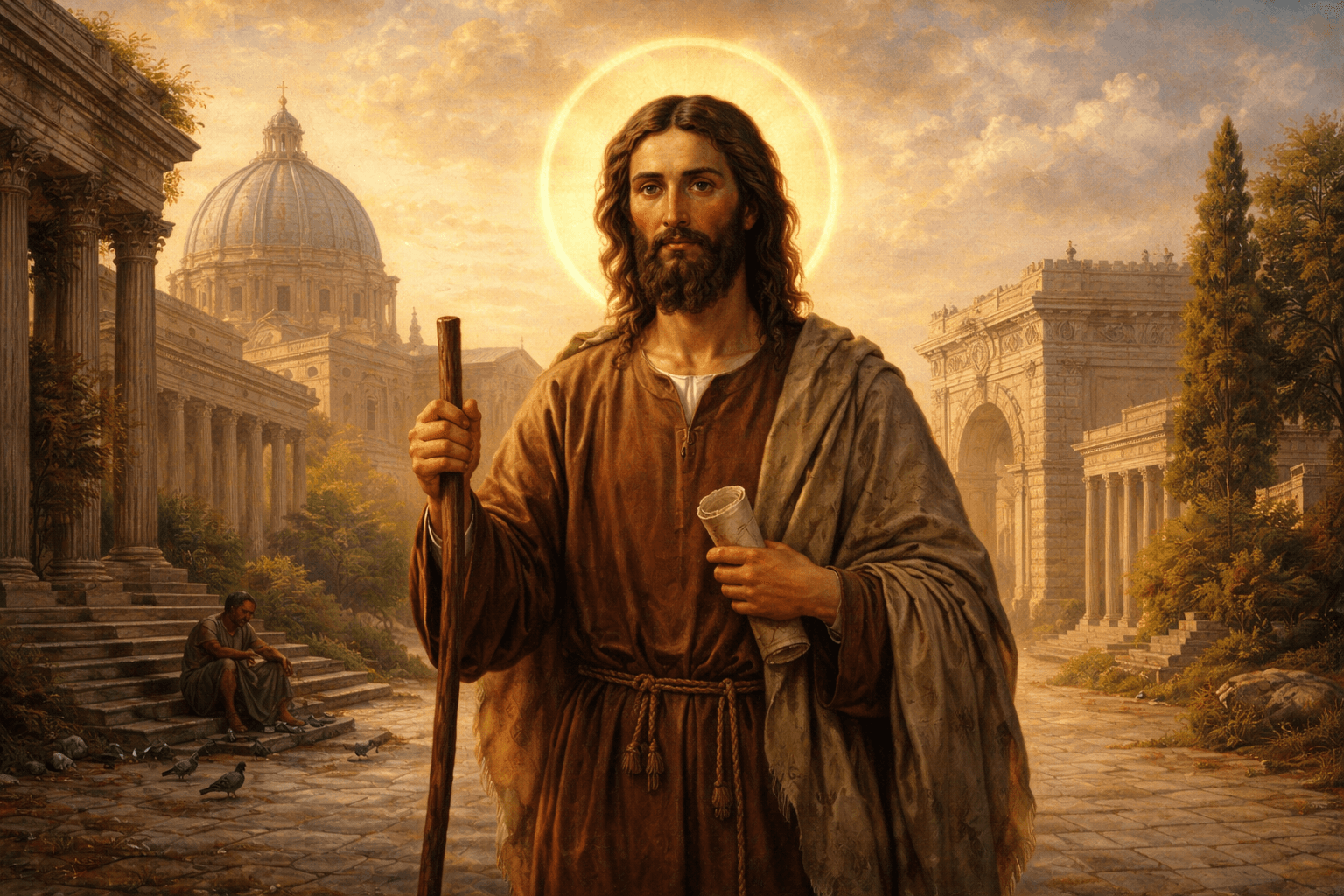
St. Alexis of Rome, also known as Alexius the Man of God, is venerated as a model of radical humility and hidden holiness. Born into a wealthy Roman family in the fifth century, he renounced comfort and status on the very day of his arranged marriage, choosing instead a life of voluntary poverty and anonymity. After years spent living as a beggar in Edessa, he returned to Rome unrecognized and took refuge beneath the stairs of his own family home, enduring hardship in silence for nearly two decades. Only after his death was his true identity revealed through a written testimony found in his possession. His life stands as a profound witness to detachment from worldly glory and total surrender to God.
Franciscan Media provides a concise but historically grounded overview of St. Alexius’ life, emphasizing his renunciation of wealth, years of hidden poverty, and the discovery of his identity only after death.
Why it matters: This source is pastorally accessible and ideal for readers seeking a faithful yet readable account. It highlights the radical humility that defines Alexius’ sanctity.
The Catholic Encyclopedia entry examines the historical tradition surrounding St. Alexis, including textual sources, Eastern and Western devotion, and scholarly analysis of the legend’s development.
Why it matters: This provides theological and historical depth, helpful for readers who want more than devotional narrative and are interested in historiography.
This Eastern Christian account presents the traditional life of St. Alexius as preserved in Byzantine devotion, highlighting his feast day (March 17) and liturgical veneration.
Why it matters: Alexius is deeply rooted in Eastern spirituality. Including this perspective enriches your post and shows the universality of his witness across East and West.
Historical Context
St. Alexis lived during a period when Christianity had moved from persecution to imperial favor. In this new social climate, heroic martyrdom was no longer the primary witness to sanctity. Instead, the Church began to elevate forms of “white martyrdom” — radical asceticism, voluntary poverty, and hidden holiness. Alexis embodies this transition. His renunciation was not forced by persecution but freely chosen out of love for Christ.
East and West Devotion
Alexis is one of the rare saints whose cult flourished in both the Latin West and the Byzantine East. His feast is celebrated on July 17 in the Roman tradition and March 17 in the Eastern Churches. The Eastern liturgical texts often call him “the Man of God,” emphasizing interior sanctity over public recognition.
Spiritual Themes
Radical detachment from wealth and status
Humility embraced in anonymity
Endurance of misunderstanding and humiliation
Trust in divine providence
His life challenges modern assumptions about success and recognition. Alexis chose obscurity over influence, poverty over privilege, and silence over self-defense.
Reflection
What would it mean to serve Christ without being known for it?
St. Alexis reminds us that holiness is measured not by visibility, but by fidelity.
“Flee from the praise of men, and you shall find rest for your soul.” — Traditional saying attributed to St. Alexis