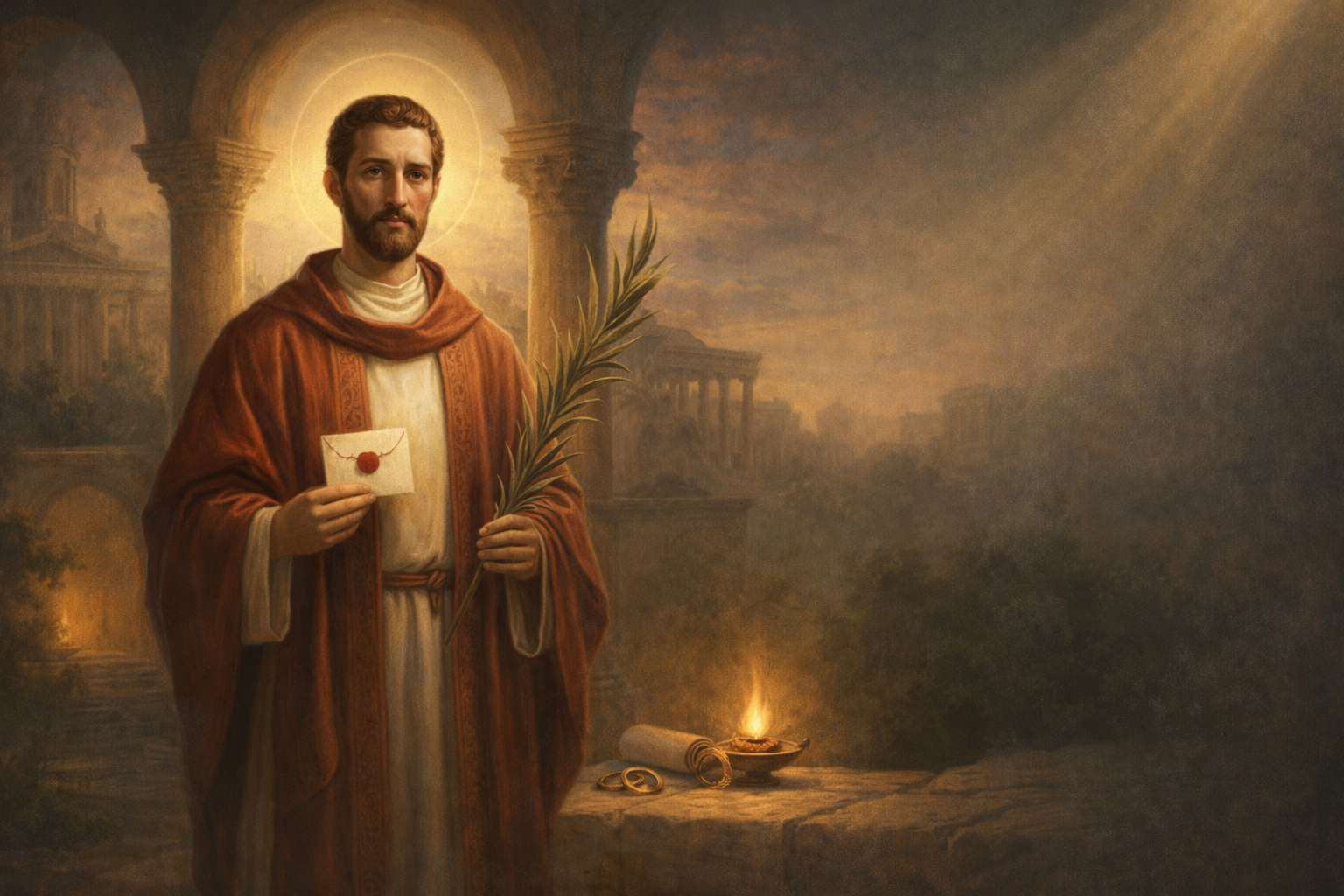
Saint Paul Miki and Companions: Martyrs of Faith in Japan
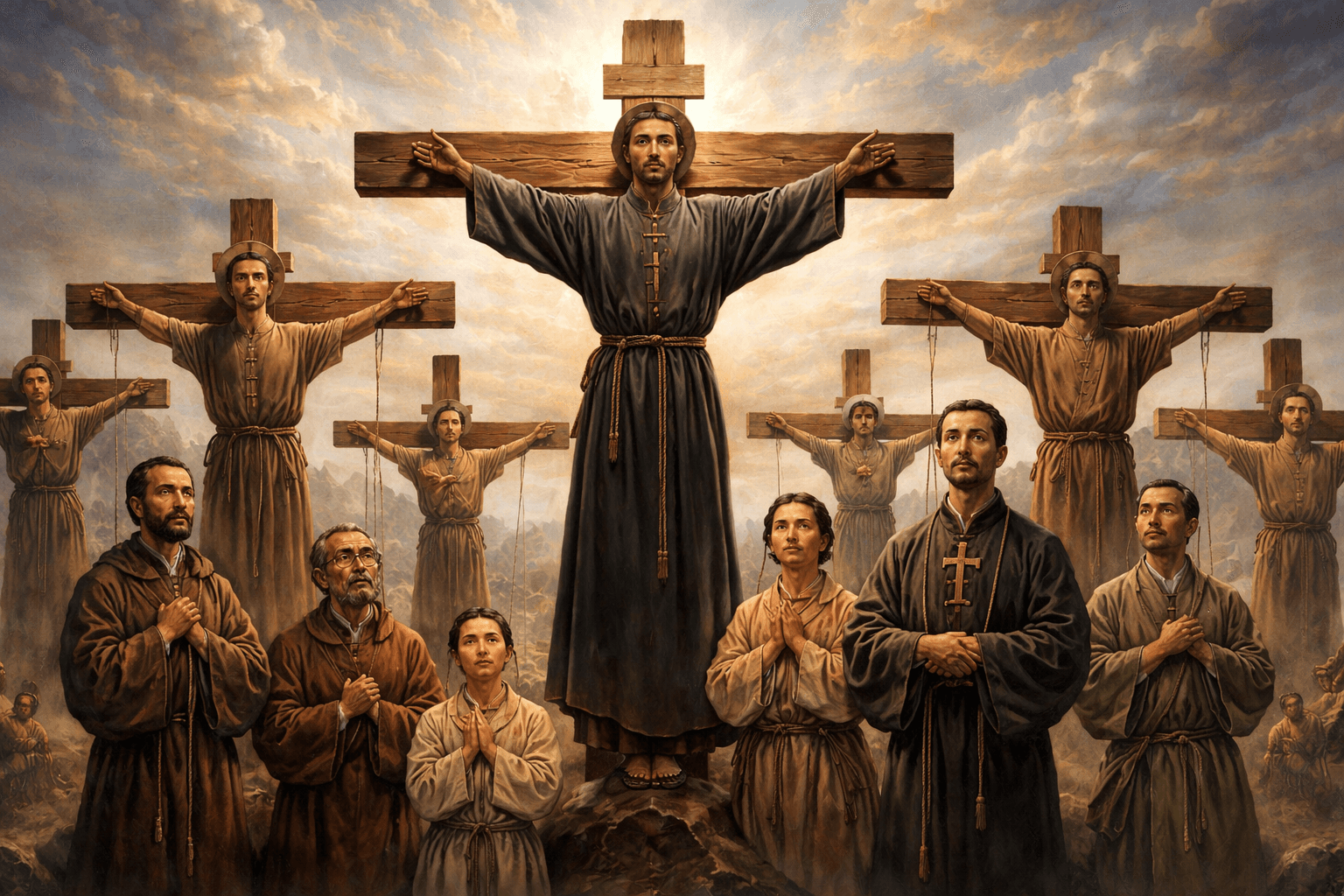
On February 7, the Church commemorates Saint Paul Miki and his twenty-five companions, a diverse group of priests, religious, and lay faithful who were executed in Nagasaki in 1597 for their unwavering commitment to Christ. Their martyrdom marked a turning point in the history of Christianity in Japan, revealing both the rapid spread of the Gospel and the severe persecution that followed. Bound together by faith rather than status or vocation, these martyrs bore witness to Christ through suffering, forgiveness, and steadfast hope.
This official Vatican biography recounts the lives and martyrdom of Saint Paul Miki and his twenty-five companions, who were crucified in Nagasaki in 1597 during the early persecution of Christians in Japan. It highlights their diverse backgrounds and unwavering faith in the face of death.
Why it matters: The witness of Saint Paul Miki and his companions reminds the Church that evangelization often flourishes under pressure. Their martyrdom challenges modern believers to examine how firmly they hold to their faith when it becomes inconvenient or costly, and it underscores the ongoing importance of defending religious freedom worldwide.
This Catholic Encyclopedia entry provides a detailed historical overview of the Japanese martyrs, including Saint Paul Miki and his companions. It situates their executions within the broader political and cultural resistance to Christianity in late sixteenth-century Japan.
Why it matters: Understanding the historical forces behind the persecution of Japanese Christians helps modern readers appreciate the cost of discipleship. The Martyrs of Japan show that faith can endure even when it collides with political power and cultural fear.
The United States Conference of Catholic Bishops offers a concise reflection on Saint Paul Miki and his companions, focusing on their witness, unity, and fidelity to Christ in the face of martyrdom.
Why it matters: The USCCB reflection connects the martyrs’ story to the liturgical life of the Church, reminding Catholics that sainthood is rooted in daily faithfulness. Their example encourages believers to live courageously even without dramatic trials.
This profile from Jesuits Global explores the life of Saint Paul Miki as a Jesuit catechist and preacher, emphasizing his role in spreading Christianity in Japan and his public proclamation of faith at the moment of execution.
Why it matters: Paul Miki’s life highlights the missionary heart of the Church and the power of preaching grounded in humility and courage. His witness challenges Christians today to proclaim the Gospel clearly, even when doing so carries personal risk.
The martyrdom of Saint Paul Miki and his companions marked the beginning of a prolonged period of persecution for Christians in Japan. What began as cautious tolerance toward missionaries eventually hardened into hostility, driven by political fears and cultural resistance. Christianity was seen as a foreign influence that threatened social order and loyalty to local rulers.
Despite this repression, the faith did not disappear. Instead, it survived underground through the courage of the Kakure Kirishitan, or hidden Christians, who preserved prayers, rituals, and devotion for generations without priests or public worship. The witness of Paul Miki and the other martyrs became a spiritual foundation for this hidden Church, proving that faith rooted in conviction can endure even when stripped of outward support.
Their story reminds the modern Church that martyrdom is not only an event of the past. It is a living testimony that challenges believers today to examine how deeply faith is woven into daily life, especially in moments of fear, pressure, or compromise.
“I see my religion in my crucifix.” — Saint Paul Miki